Guides
A Simple Skincare Routine for Combination or Oily Skin: Cleanse, Tone, Hydrate, Moisturise

Oct
A good routine for combination or oily skin is short and gentle: cleanse morning and evening with a mild cleanser, use a toner if you like the feel, add a light hydrating layer, finish with a lightweight moisturiser, and wear sunscreen of at least SPF 30 during the day. Harsh scrubbing and stripping the skin usually leave it feeling worse, not better.
In this guide
What counts as combination or oily skin?
Oily skin tends to look shiny within a few hours of washing, especially across the forehead, nose and chin, and pores can look more visible. Combination skin is a mix: that central T-zone is oily while the cheeks feel normal or even dry. Skin type is not fixed for life either. It can shift with the seasons, hormones, stress and the products you use.
The aim of a routine is not to remove every trace of oil. Skin needs some of its natural oils to stay comfortable. The goal is to keep it clean, balanced and hydrated, so it looks fresher and feels less greasy through the day.
Why gentle beats harsh
When skin feels oily, it is tempting to wash it often with something strong. That tends to backfire. Over-cleansing and hard scrubbing can leave skin tight and irritated. Even the NHS advice for spot-prone skin keeps things simple: wash twice a day with a gentle cleanser, take make-up off at the end of the day, avoid scrubbing, and choose non-comedogenic products, meaning products formulated not to clog pores.
That same simple approach suits most combination and oily skin. If you have persistent spots, painful lumps or acne, cosmetics are not the answer on their own, so speak to a pharmacist or GP.
The four steps at a glance
| Step | What it is for | Tip for combination or oily skin |
|---|---|---|
| 1. Cleanse | Lifts away oil, make-up, sweat and the day’s grime | Choose a gel or light foam; rinse with lukewarm water |
| 2. Tone | Removes any last traces after cleansing and refreshes | Look for formulas without drying denatured alcohol |
| 3. Hydrate | Adds water-based moisture without heaviness | A light serum is often enough on oilier areas |
| 4. Moisturise | Keeps skin comfortable and soft | Use a lightweight, non-greasy cream; less on the T-zone |
| Morning extra: SPF | Sun protection | At least SPF 30 with 4-star UVA protection |
Step 1: Cleanse morning and evening
Cleansing is the step that matters most. In the evening it removes make-up, sunscreen and the day’s build-up; in the morning it freshens skin before you apply anything else. Use lukewarm water, massage the cleanser in gently with your fingertips, rinse well and pat dry with a clean towel rather than rubbing.
A gel texture generally suits oilier skin because it rinses away cleanly. If your skin feels tight or squeaky afterwards, the cleanser is probably too strong.
Steps 2 to 4: tone, hydrate and moisturise
Tone. Toner is optional, but many people with oilier skin like the clean, refreshed feel. Sweep it over the face with a cotton pad or press it in with your hands. Avoid toners that sting or leave skin feeling tight.
Hydrate. Oily skin can still be short of water. That is why skin can look shiny and feel tight at the same time. A light, water-based serum adds hydration without the weight of a rich cream.
Moisturise. Skipping moisturiser is a common mistake with oily skin. A lightweight cream helps skin stay comfortable. If you have combination skin, use a little less on the T-zone and a little more on drier cheeks.
Protect. In the morning, finish with sunscreen. Look for SPF 30 or higher plus a UVA rating of 4 stars or more, as the NHS advises; it also points out that skin can burn in the UK on cloudy days.
The Nutriance Organic routine for combination to oily skin
NeoLife’s Nutriance Organic range follows exactly this four-step pattern. All four products below are COSMOS ORGANIC certified (the COSMOS standard is an international certification for organic and natural cosmetics), vegan, not tested on animals, non-comedogenic and made in France.
- Cleanse: Nutriance Organic Cleansing Gel (150ml) is built on seawater, with organic extracts of mastic leaf and red seaweed. It forms a light lather with water and is designed to remove make-up and excess oil while refining the look of pores.
- Tone: Balancing Tonic (100ml) blends cornflower water and barley water with glycerin, and is made without drying denatured alcohol. It suits all skin types.
- Hydrate: Hydrating Serum (30ml) is a light serum rich in seaweed extracts and seawater, made to sit under moisturiser or make-up without feeling heavy.
- Moisturise: Moisturising Cream (75ml) pairs witch hazel water with seaweed extracts and light plant oils to hydrate without a greasy finish.
These are cosmetics. They work on how skin looks and feels, and they are not medicines for any skin condition. Two allergen points from the labels: the Cleansing Gel contains hydrolysed wheat protein and fragrance, and the Moisturising Cream contains wheat and soya.
How to start a new routine
- Introduce one new product at a time, a few days apart, so you can tell which one suits you.
- Patch test each product first (see below).
- Keep the order thin to thick: cleanser, toner, serum, moisturiser, then sunscreen in the morning.
- Give a routine a few weeks before judging it, unless a product stings or causes redness, in which case stop.
- Keep hands, pillowcases and make-up brushes clean, and avoid picking at your skin.
Products in this guide
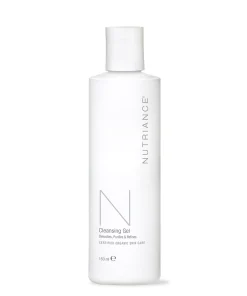 Cleansing Gel (Combination to Oily Skin)£39.00 Subscribe & save 10%View product
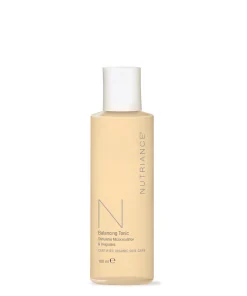 Balancing Tonic (All Skin types)£34.00 Subscribe & save 10%View product
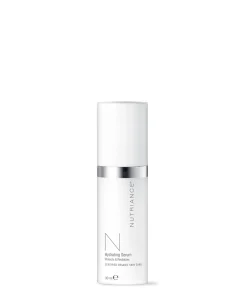 Hydrating Serum (Combination to Oily Skin)£65.00 Subscribe & save 10%View product
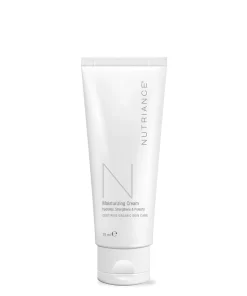 Moisturising Cream (Combination to Oily Skin)£49.00 Subscribe & save 10%View product
Common questions
Should oily skin still use a moisturiser?
Yes. Oily skin can still lack water, and stripping it with harsh products then skipping moisturiser often leaves it feeling tight and uncomfortable. A lightweight, non-greasy moisturiser is usually the best fit. On combination skin, use less on the oilier T-zone and a little more on drier areas.
How often should I wash my face if it gets oily?
Twice a day, morning and evening, is enough for most people, which matches NHS advice for spot-prone skin. Washing more often or scrubbing hard tends to irritate the skin. After exercise or a very sweaty day, a gentle extra rinse is fine.
Do I really need a toner?
No, toner is optional. It can remove any last traces after cleansing and many people enjoy the refreshed feel, but a good cleanser does most of the work. If you use one, choose a gentle formula without drying alcohol, and stop if it stings.
What does non-comedogenic mean?
It means a product is formulated not to clog pores. It is a helpful label to look for if your skin is oily or prone to blemishes, and the NHS suggests choosing non-comedogenic skincare and make-up for spot-prone skin. All four products in the Nutriance Organic routine above are labelled non-comedogenic.
Genuine NeoLife, delivered in the UK
Free UK delivery on orders over £150. Order online, no membership needed.
Before using any new skincare product, patch test it. Dab a little on the inside of your forearm, and check for redness, itching or stinging before using it on your face. The NHS lists fragrances and preservatives among common cosmetic allergens. Avoid the eye area, and stop using a product if irritation appears. If you have a skin condition, ask a pharmacist or GP first.
You can see every product for this skin type in our combination to oily skin range.
More guides
 GuidesConcentrated Cleaners: How Dilution Works and Why One Bottle Goes FurtherA concentrate is mostly cleaner and very little water, so you add the water at home: here is how ratios work, what one litre…
 GuidesHow Much Protein Do You Need a Day? The UK Figures in Plain EnglishThe UK reference figure for protein is 0.75g per kilo of body weight a day, most of us already eat more, and a shake…
 GuidesWhich Nutrients Are UK Adults Most Often Low In? What the National Diet and Nutrition Survey ShowsThe UK's own diet survey shows the same gaps again and again: fibre, vitamin D, iron for many women, oily fish and folate, and…